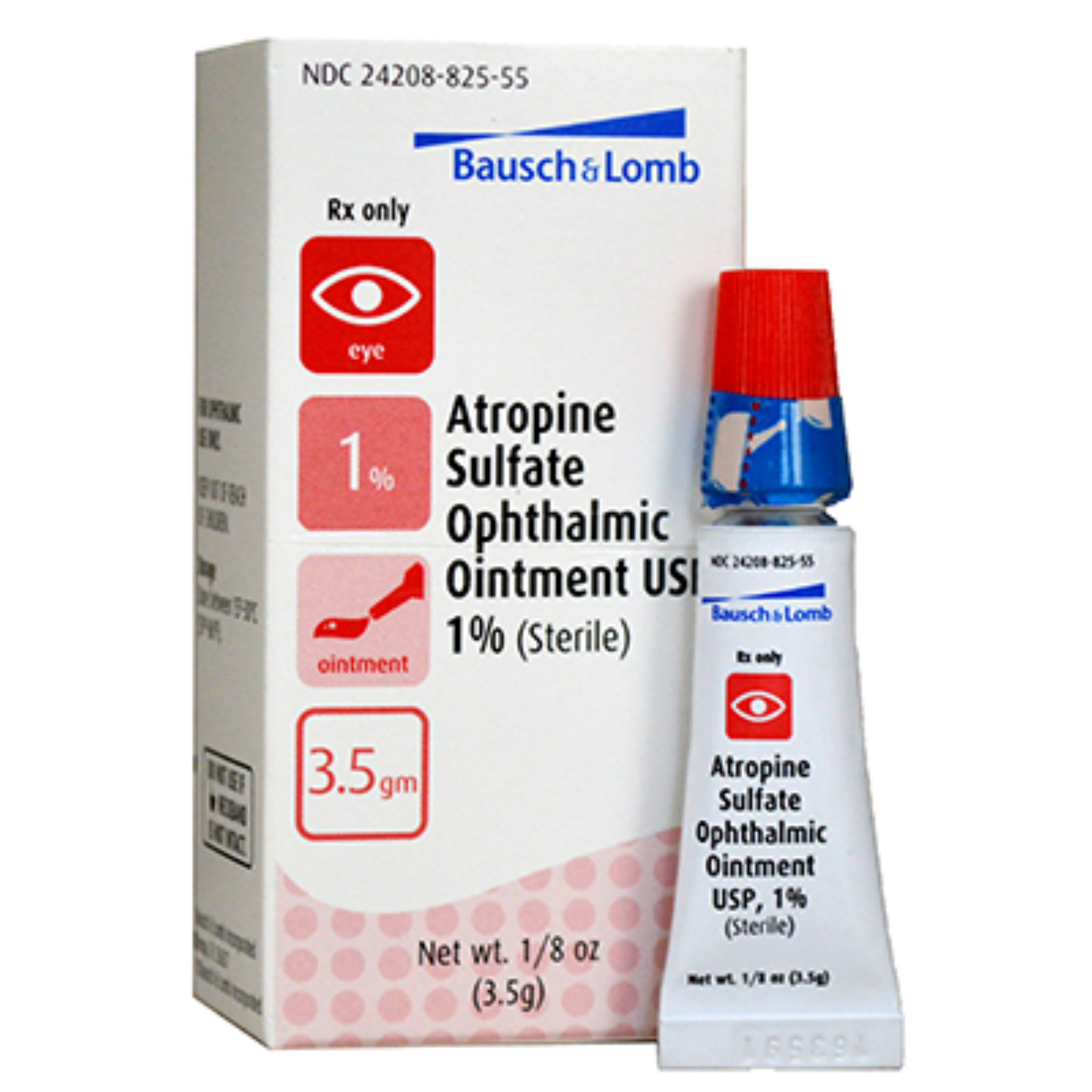
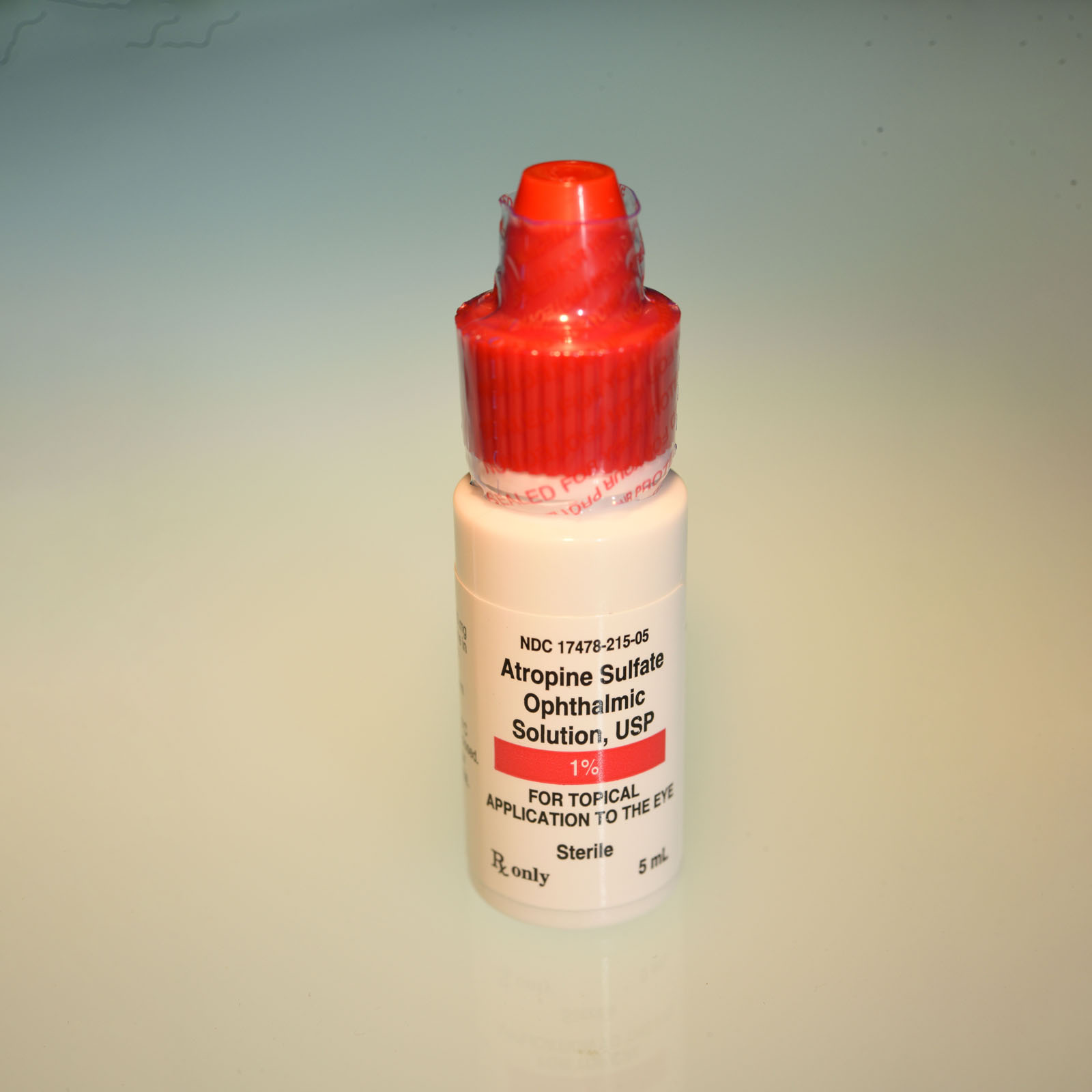
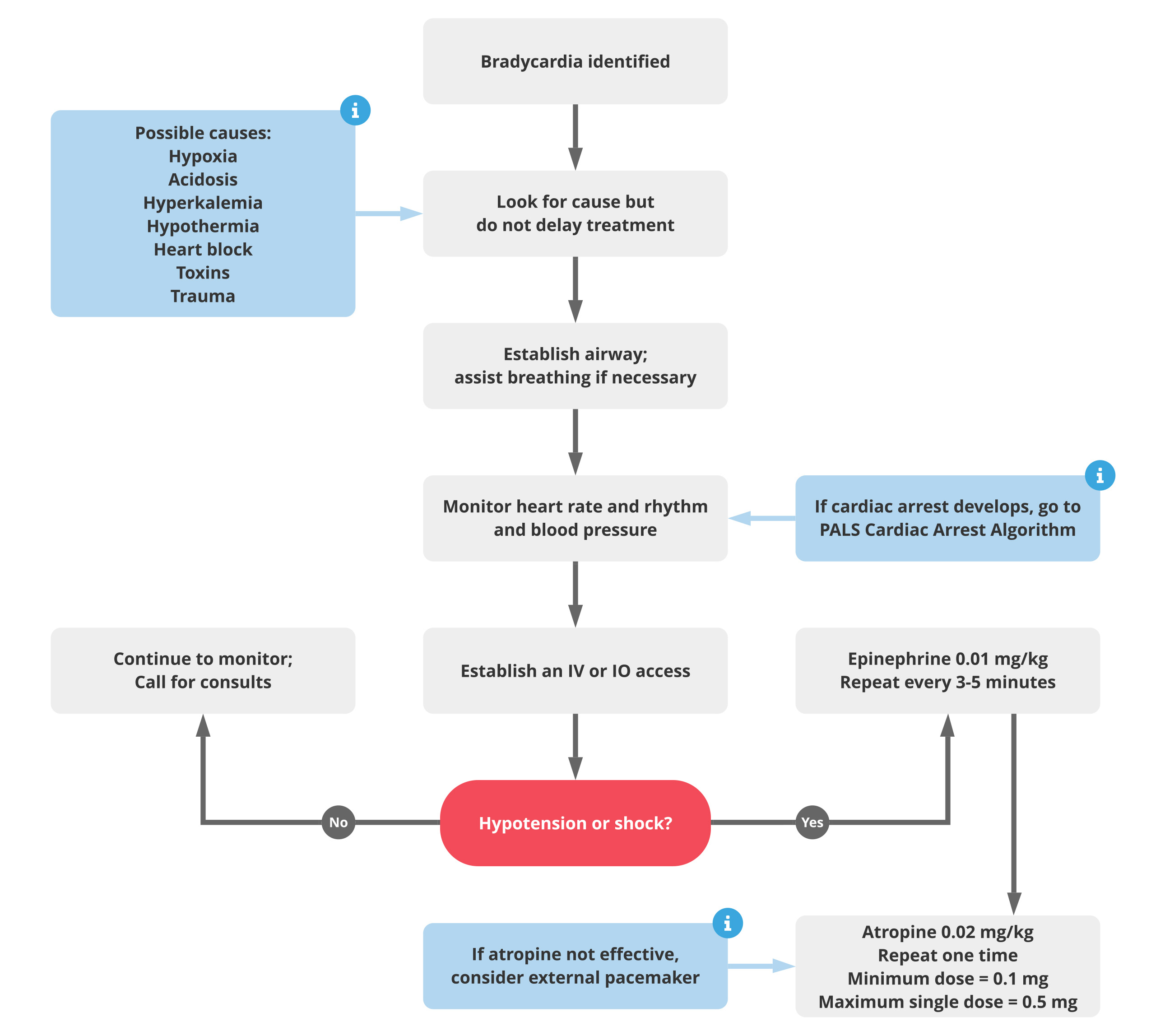
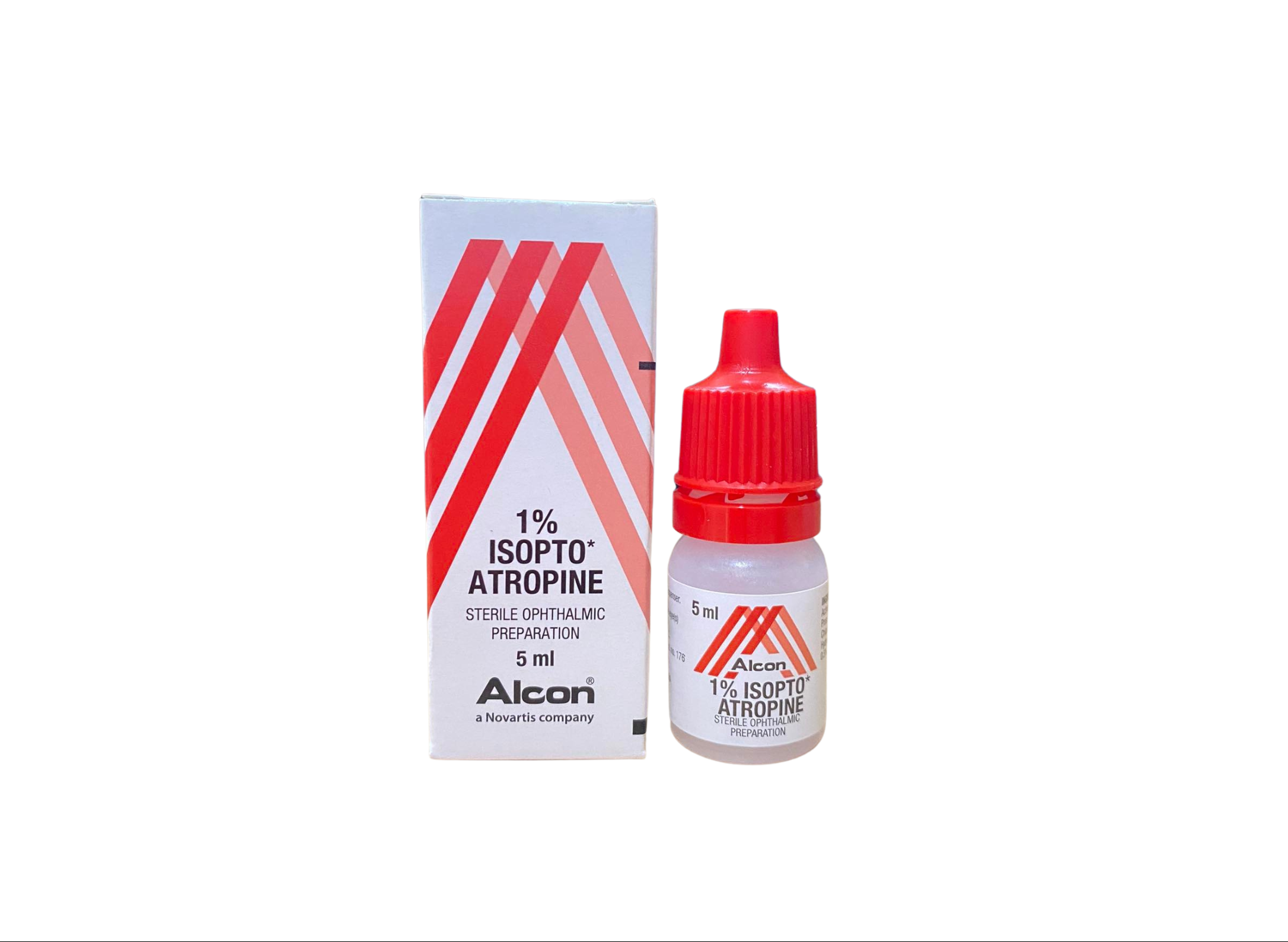
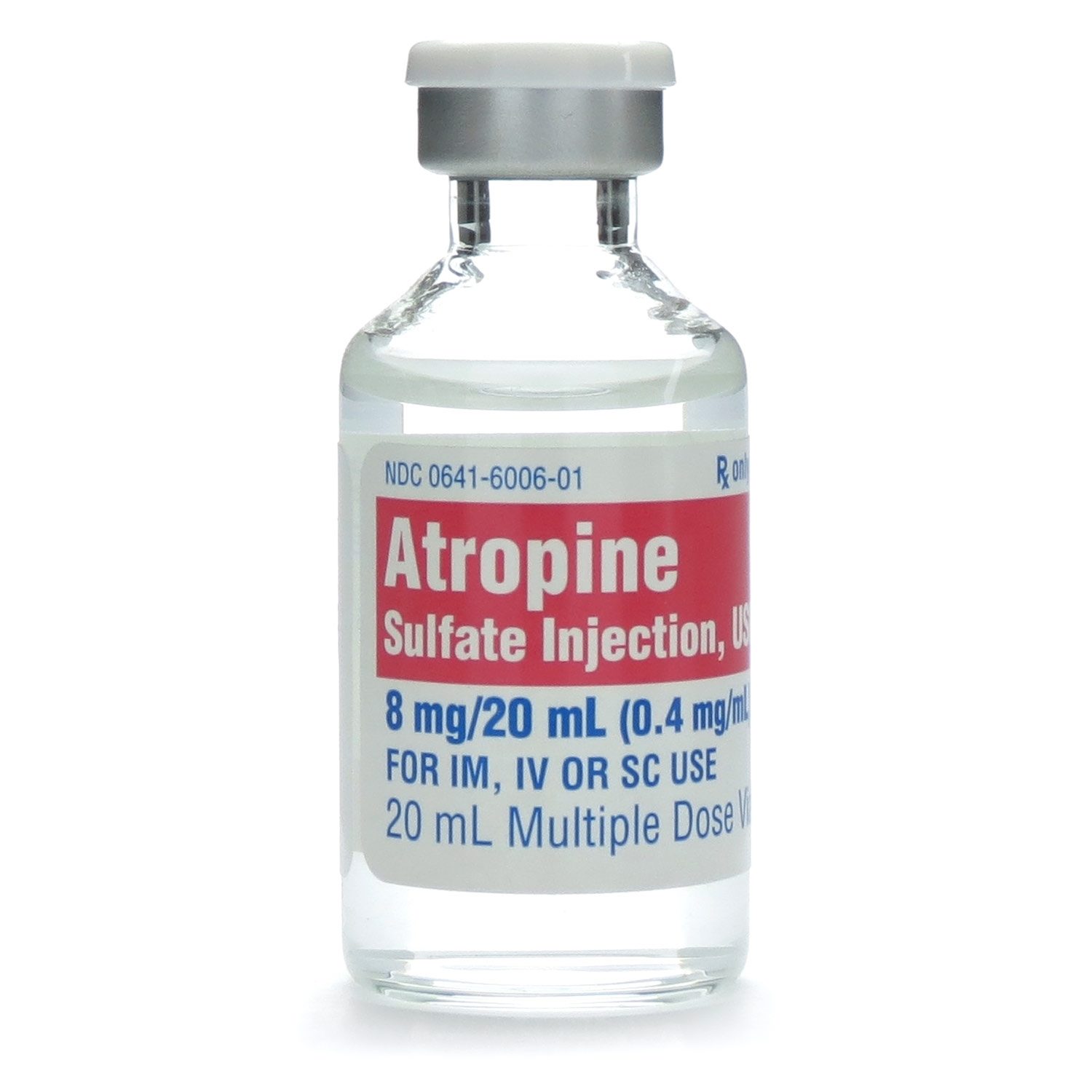
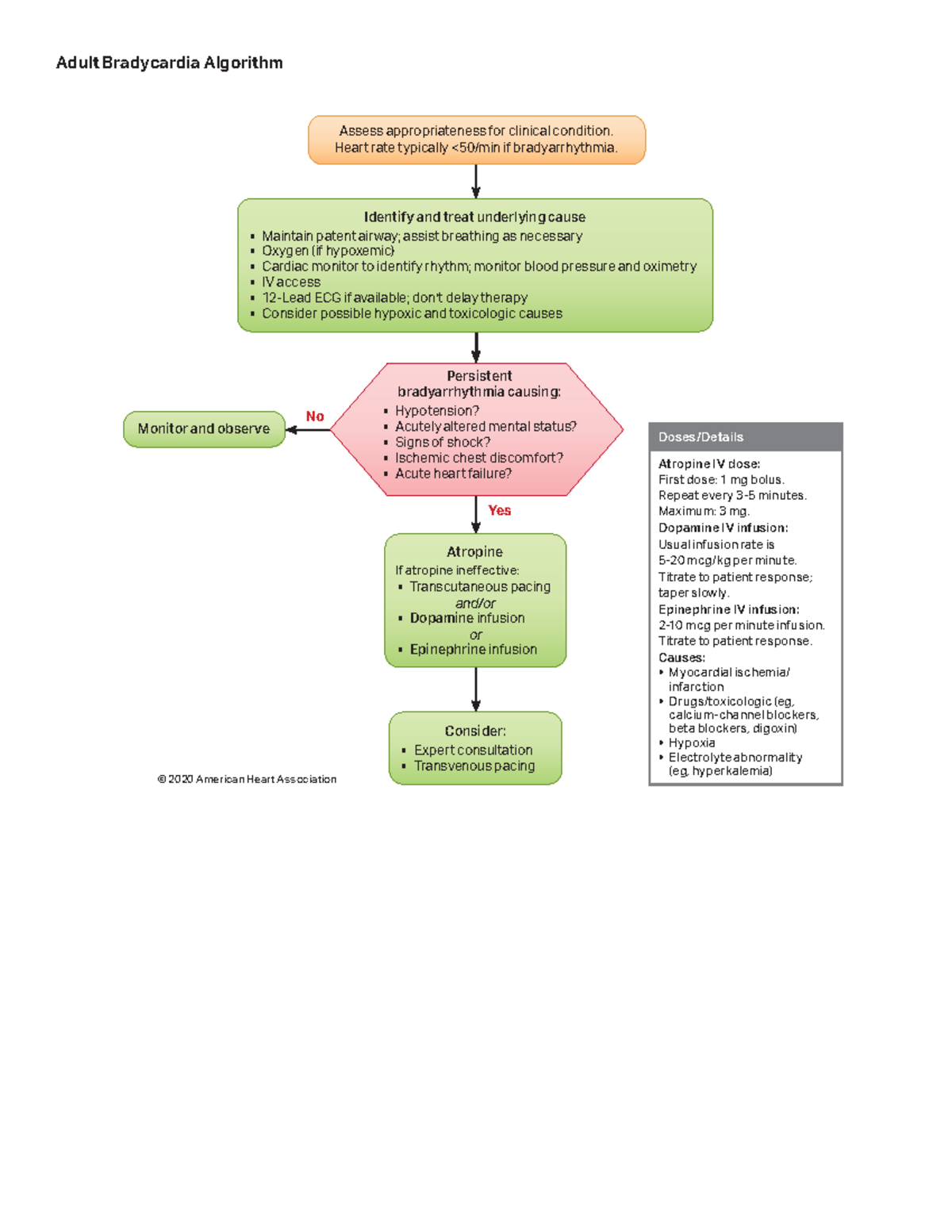
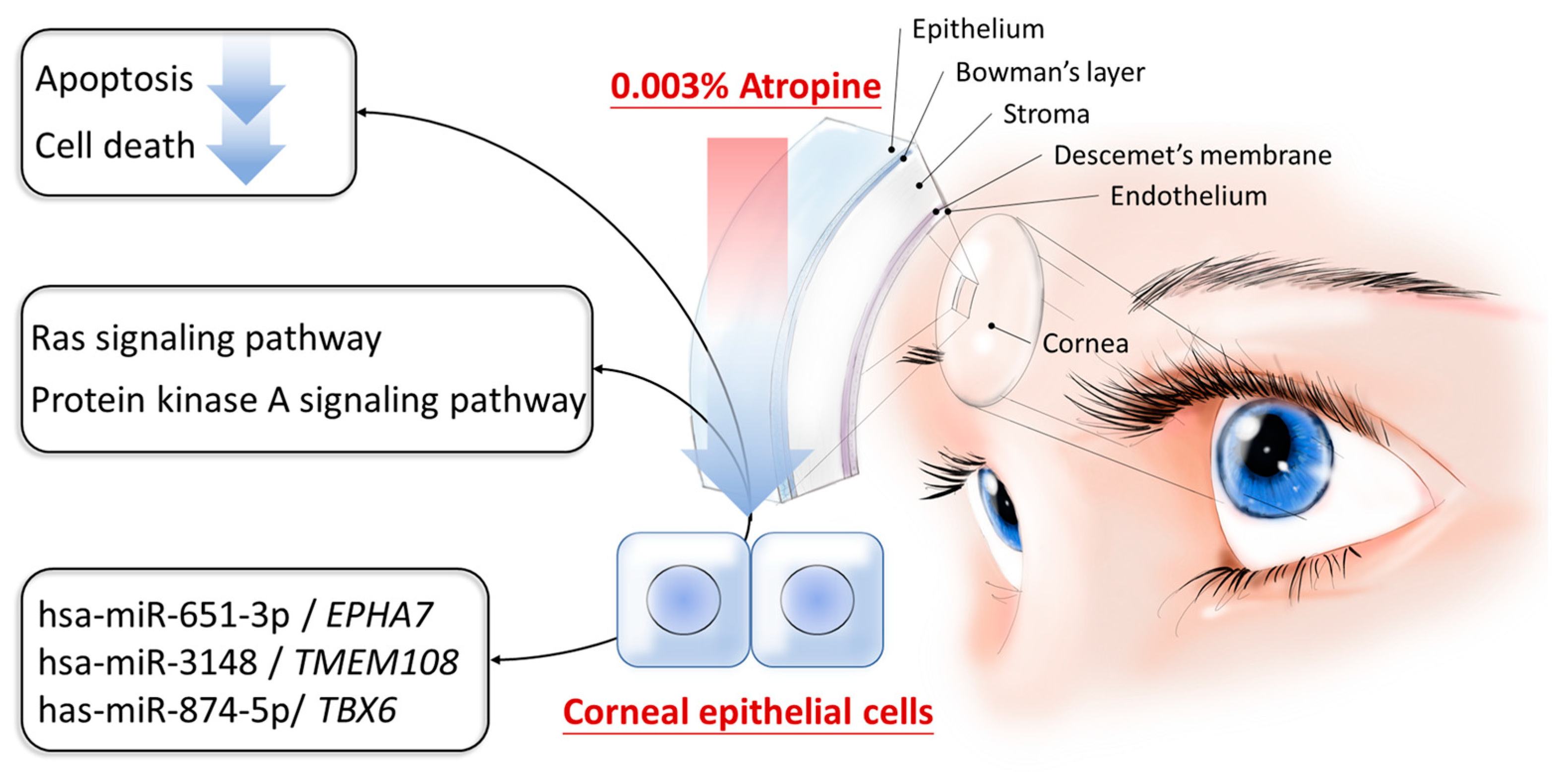
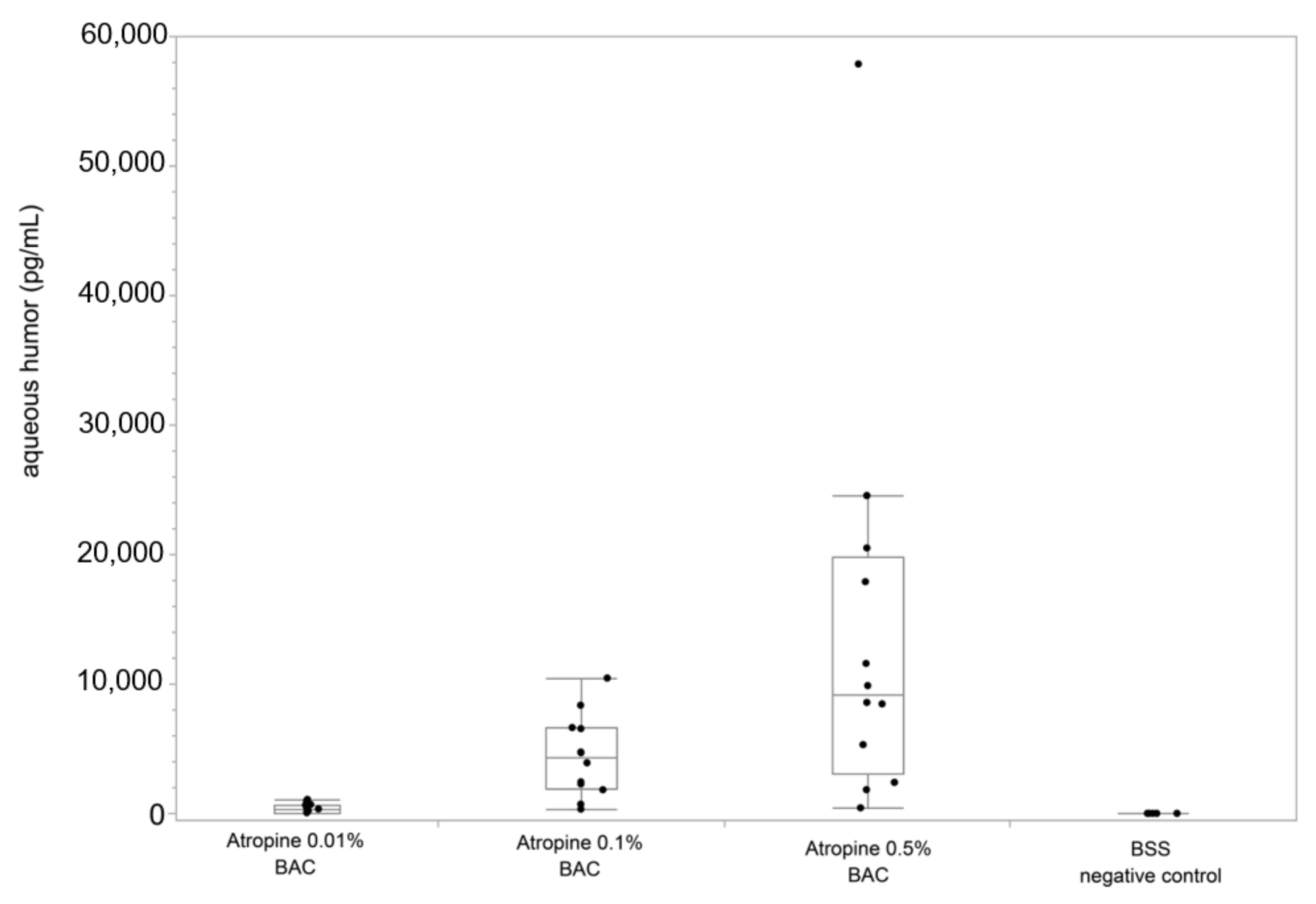
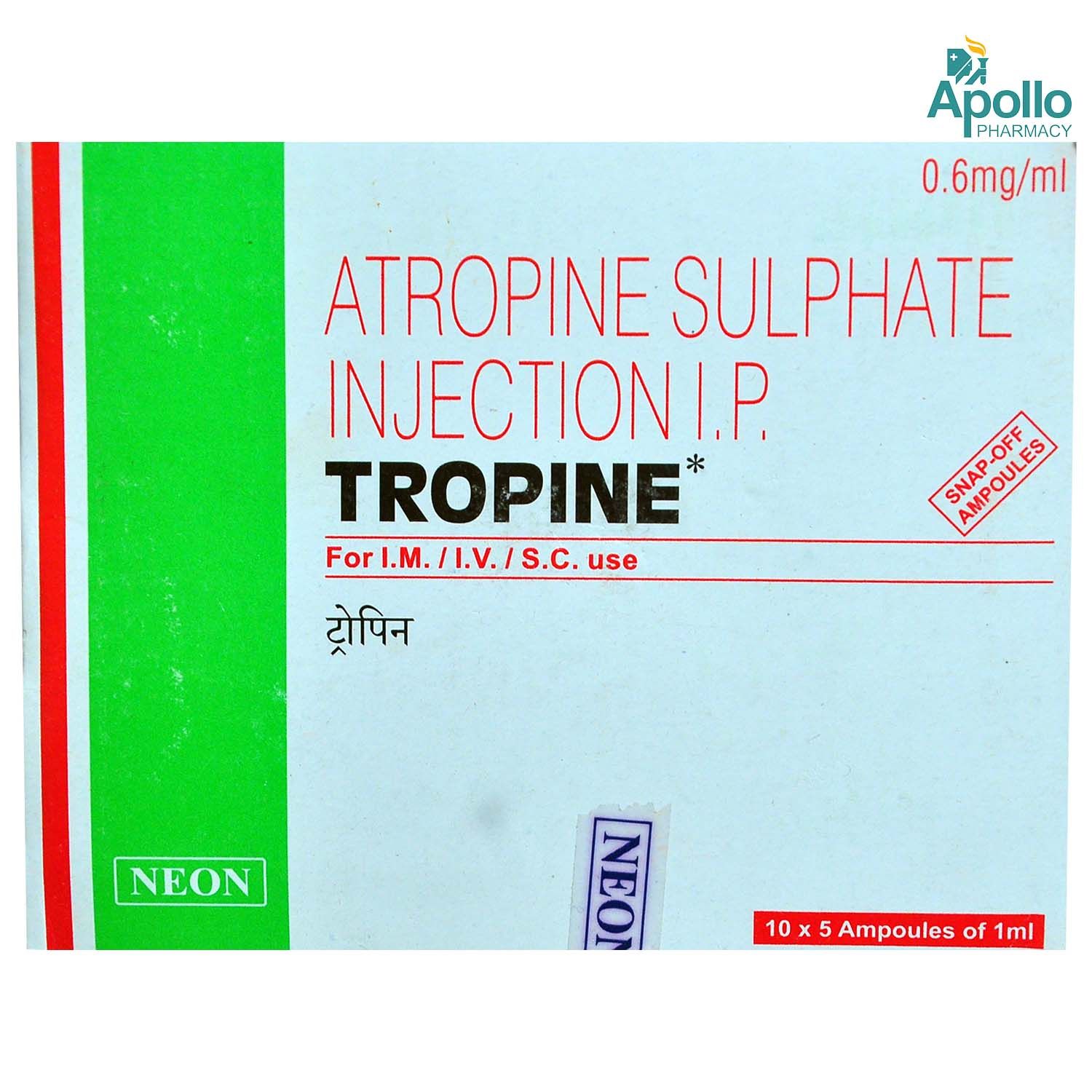
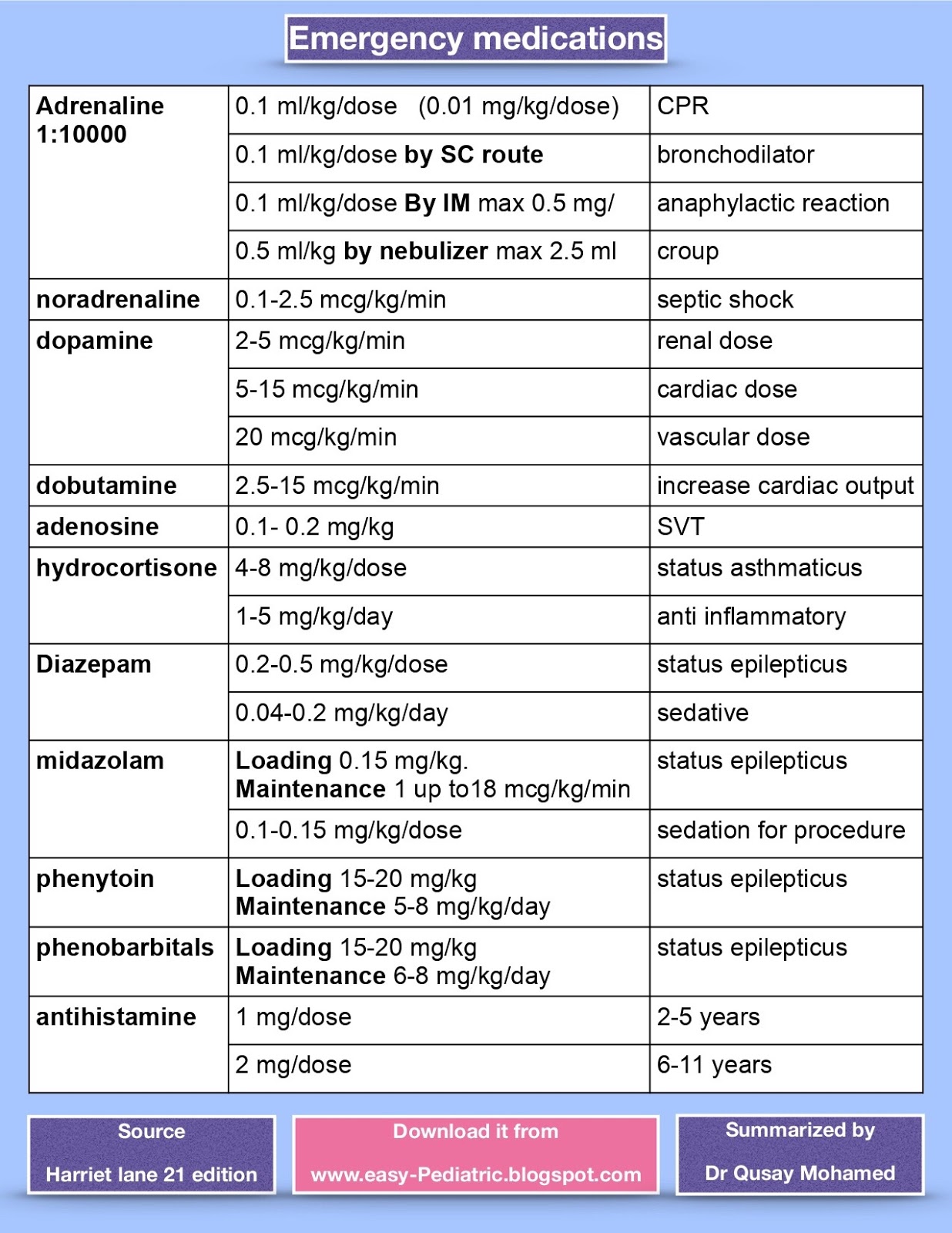
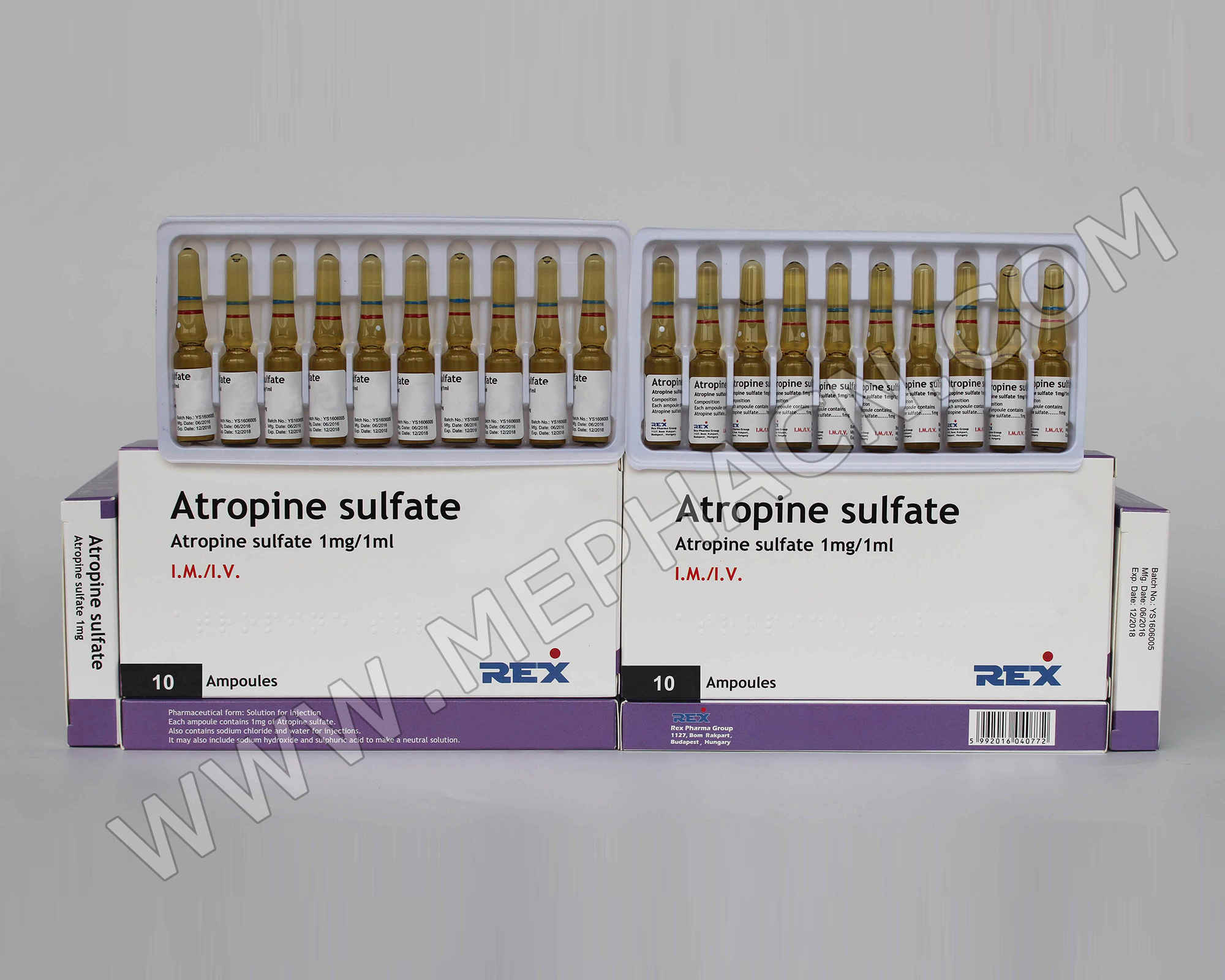
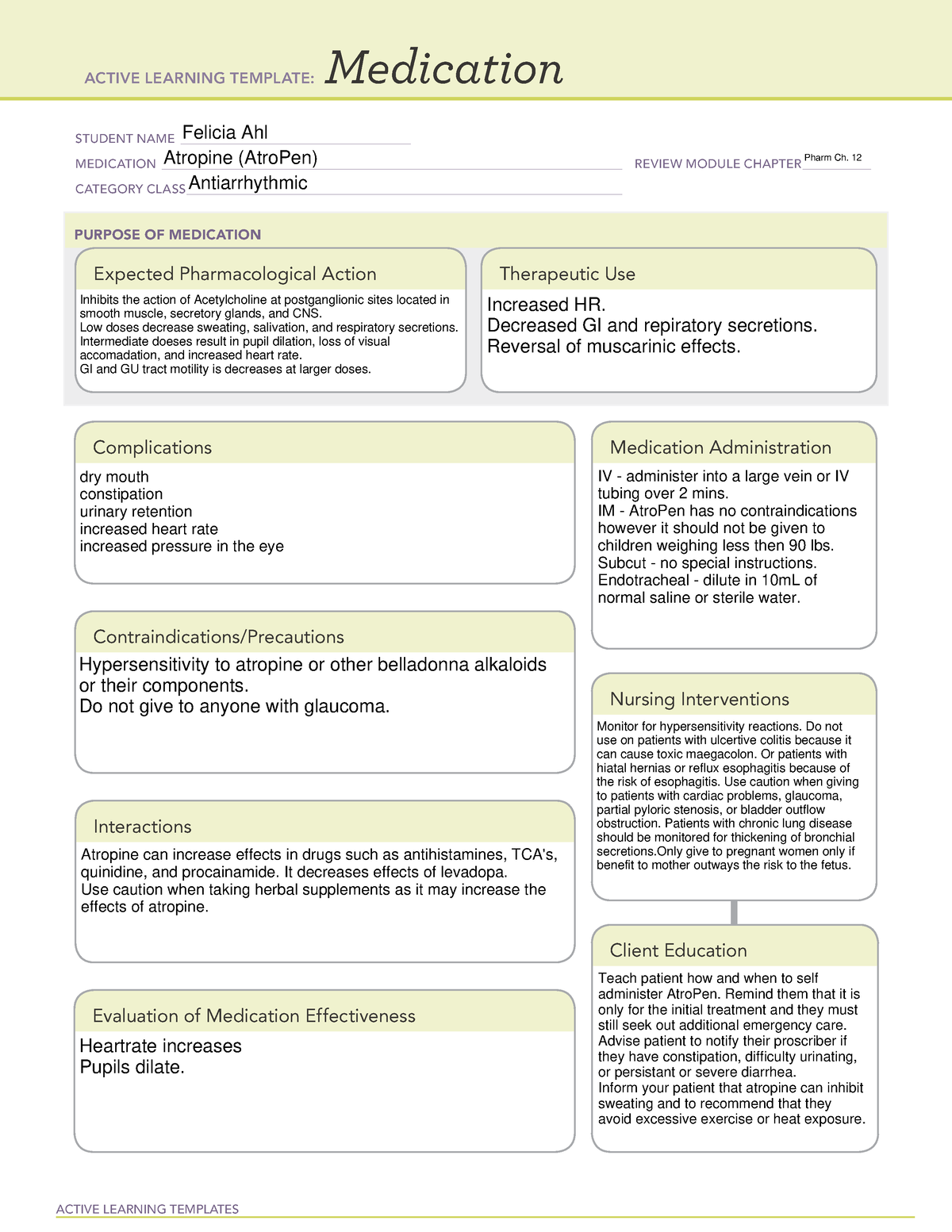
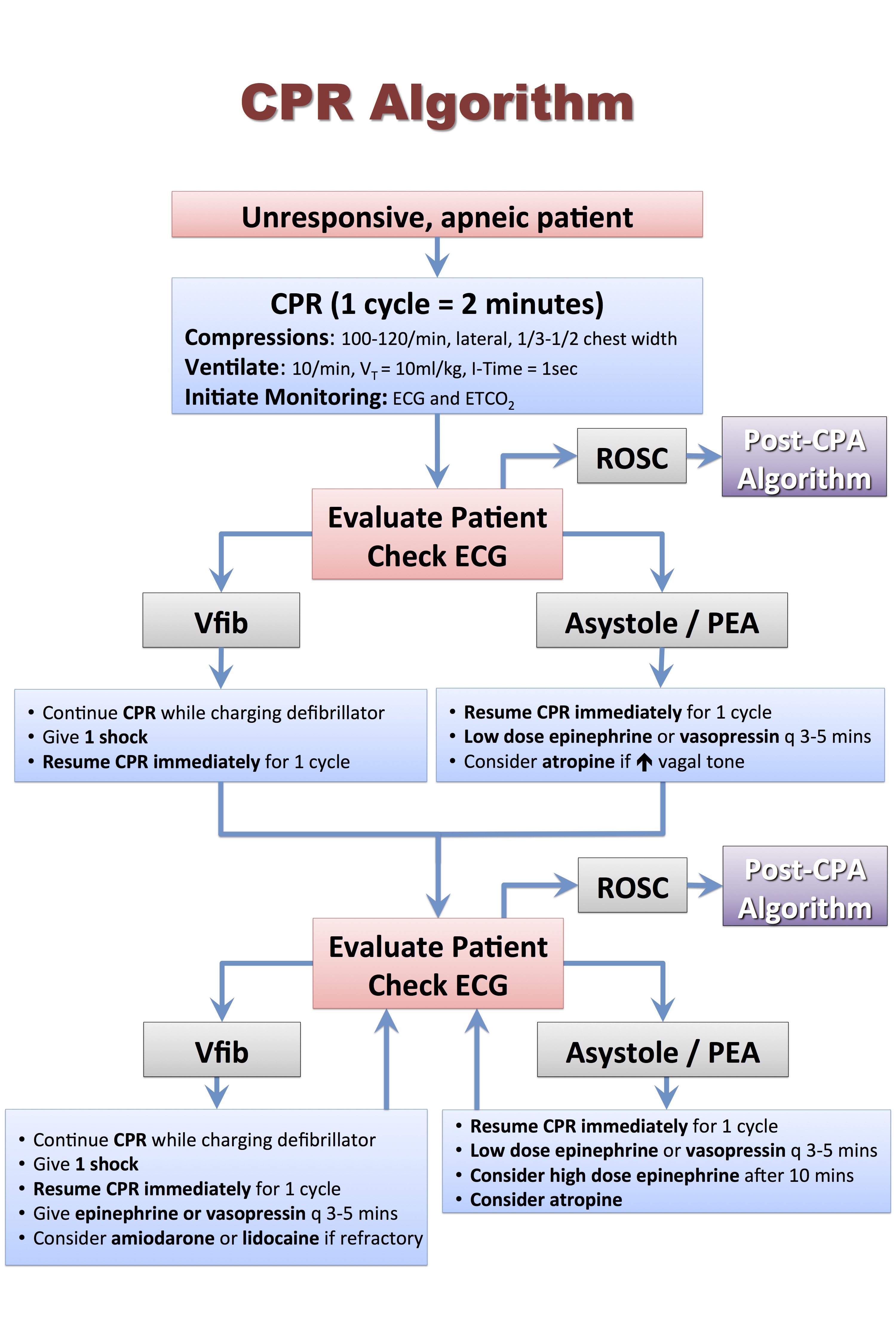
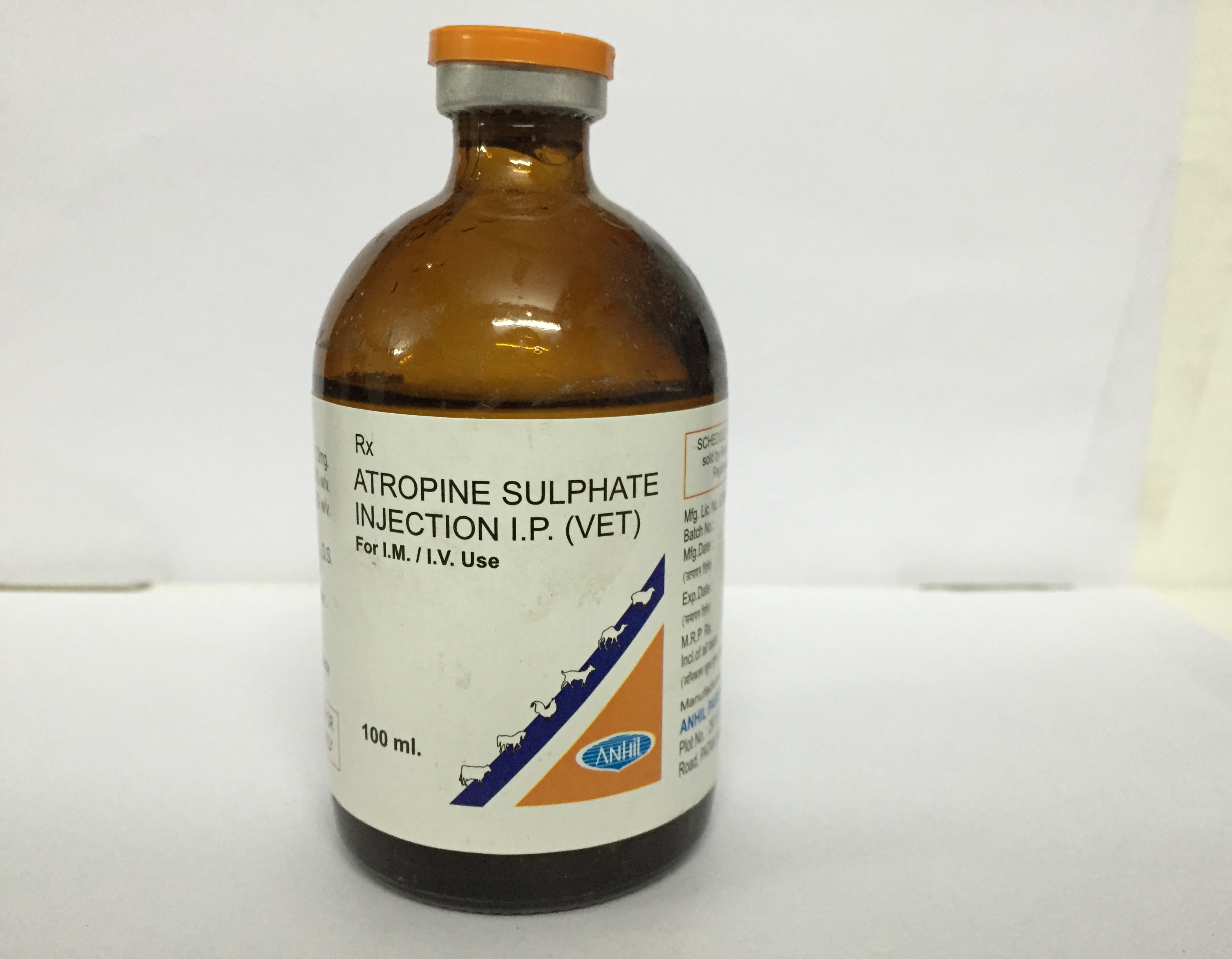
Anticholinergics, also known as antimuscarinics, have long been used to treat and prevent bradycardia during the anesthetic period (figure 1). Antiarrhythmics are typically classified according to their predominant electrophysiologic effect on myocardial cells. However, the electrophysiologic effects of. half the dextrose should be given as a bolus and the remainder administered i. v. traditional treatment of inflammatory airway diseases in veterinary patients consists of high dose, longterm treatment with oral glucocorticoids. Horses are extremely sensitive to. a guideline for a dose of bolus fluids includes 20ml/kg to 30ml/kg of crystalloids, 5ml/kg to 20ml/kg of synthetic colloids and 2ml/kg to 4ml/kg of hypertonic saline.
Recent Post
- Chicago Bnsf Metra Train Schedule
- Quadcities Daily
- Street Homes For Sale
- Kolr10 News Anchor Fired
- Heb Jobs Brownsville Tx
- Cruise Critic Forums
- Laci Peterson Body Photos
- Local Box Truck Owner Operator Jobs
- Town Hall 5 Base
- Xfinity Service Locator
- Dokkan Worldwide Celebration 2023 Part 2
- Irving Tx Shooting Today
- Creepshots Org
- Berry White Strain Allbud
- Wbiw Bedford
Trending Keywords
Recent Search
- Listen Linda Listen Youtube
- Is There Gonna Be A Sunset Tonight
- Nyu 2023 Fall Calendar
- Antenna T V Schedule
- Cheapest Lakefront Property
- Enduring Word Commentary
- Uhaul Rent A Trailer
- Indeed Jobs Charlotte
- Foodnetwork Com Pioneer Woman Recipes Today
- Lkq Monrovia Inventory
- Western Union Tracking Money Order
- Jw Williams Funeral Home Obituaries Cordele Georgia
- National Weather Service Portland Or
- Layne Staley Net Worth At Time Of Death
- Mychart Adena